
Build Your Budget Skills From Ground Up
Money feels complicated. But here's what we've learned after working with hundreds of everyday Australians—budgeting doesn't have to be.
Most people struggle not because they're bad with numbers, but because nobody showed them a system that actually fits their life. This program takes you from "I have no idea where my money goes" to "I've got this sorted" in a few focused months.
We're starting our next cohort in September 2025. Small groups, real conversations, practical tools you'll actually use.

What You'll Walk Away With
Three core areas that change how you handle money. Each one builds on the last, and each one gives you something you can use immediately.
Track Without Tears
You'll learn a dead-simple tracking method that takes five minutes a day. No complicated spreadsheets. No fifty different categories. Just clarity about where your money actually goes.
Build Your Framework
We'll help you create a budget that bends with life instead of breaking. Bills, savings, fun money—all sorted in a way that makes sense for how you actually live.
Plan Beyond Next Week
Once the basics click, we get into the good stuff. Emergency funds that actually grow. Goals that feel achievable. Financial breathing room you've been missing.

Thorsten Brinkley
Program Lead
Who's Teaching This
Thorsten spent fifteen years helping families untangle their finances—first in banking, then independently. He got tired of seeing the same advice recycled everywhere, advice that worked great in theory but fell apart when real life got messy.
So he built something different. Something that starts with where you are right now, not where some perfect budget template thinks you should be.
Elowen comes from the education side. She's figured out how to make financial concepts stick—not through more information, but through better explanations and actual practice. Between them, they've worked with everyone from students to retirees, all figuring out their own version of financial stability.
They're not here to judge your past decisions or promise you'll be debt-free by Christmas. They're here to show you systems that work when life doesn't cooperate.
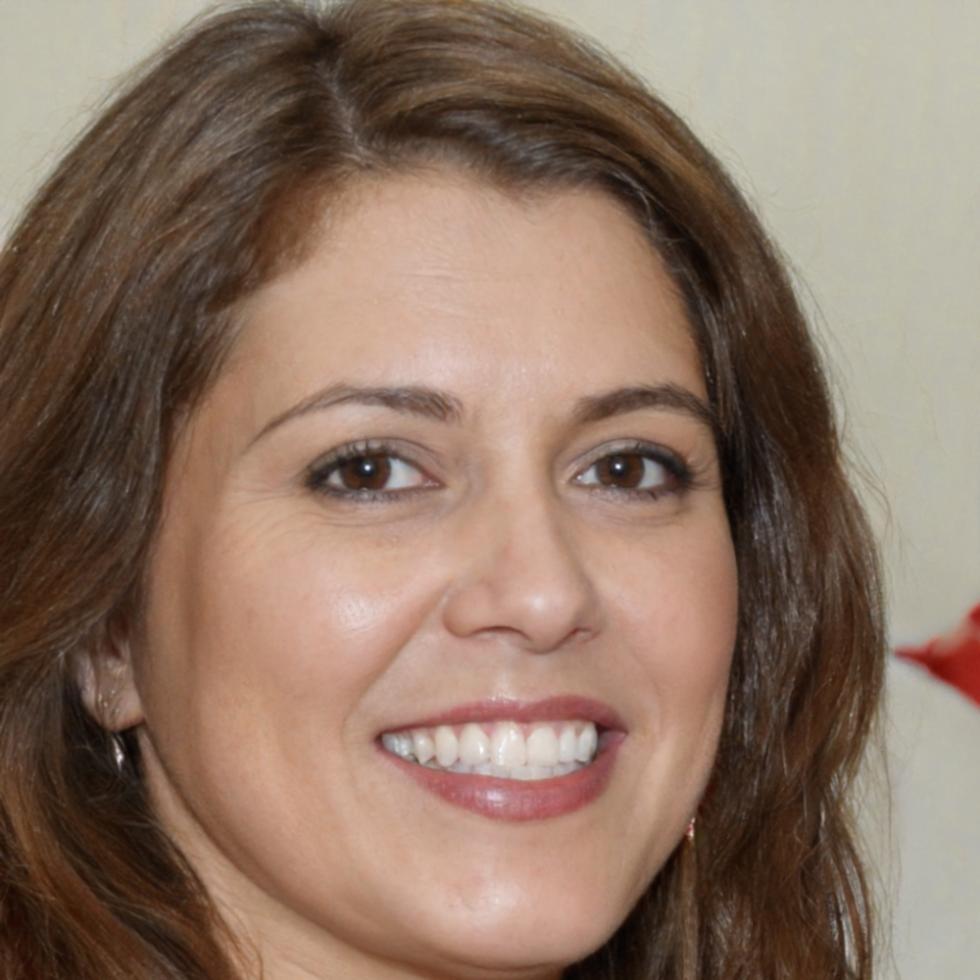
Elowen Saxby
Education Director
How It Actually Works
We run this over twelve weeks because that's how long it takes for new habits to stick. Weekly sessions, each one building practical skills. You'll have homework—not busywork, but actual budget tasks that matter for your situation.
Between sessions, you've got access to our small online community. Ask questions, share wins, figure stuff out together. Some of the best learning happens in those conversations.
Getting Your Numbers Straight
First things first—we figure out your actual income and expenses. Not what you think they should be, but what they really are. Then we set up your tracking system and get you comfortable using it daily.
Building Your Budget Blueprint
Now we create your actual budget framework. This is where it gets personal—your priorities aren't the same as anyone else's. We'll work through the trade-offs and decisions until you've got something that feels right.
Handling the Unexpected
Life happens. Car repairs, medical bills, last-minute expenses. We'll set up your buffer systems and practice adjusting your budget when reality doesn't match the plan. Flexibility matters more than perfection.
Planning Your Next Moves
Final weeks focus on where you want to go from here. Whether that's building savings, tackling debt, or finally booking that holiday—we'll map out realistic next steps and give you the tools to keep going solo.